Why Amed is Bali's Quiet Treasure
For the traveler who has earned their stripes and seeks genuine cultural immersion without sacrificing comfort, Amed, Bali, is the island’s most compelling escape. Tucked away on the island’s northeastern tip, this area is not a single town but a sequence of eight coastal fishing villages that offer a tranquil, slow-paced rhythm completely distinct from the bustle of Canggu or Seminyak. This is where the magnificent Mount Agung—Bali’s highest and holiest volcano—dominates the skyline, providing a dramatic backdrop to quiet, black-sand beaches. Amed caters specifically to the discerning traveler, prioritizing superior experiences like world-class snorkeling and diving right off the shore, high-quality private villas, and authentic local interactions.
If your ideal holiday involves avoiding mass tourism, enjoying a quiet sunrise over the ocean, and connecting with local traditions, this is your destination. Amed is universally praised for its sense of community and safety, making it an ideal choice for mature travelers and those considering an extended or long-stay Bali visa. Our guide focuses on vetting the very best of East Bali, steering you toward reliable logistics, premium accommodation, and curated activities. We provide the authoritative framework for planning a relaxed, yet richly rewarding, Balinese holiday. Prepare to discover the calm, sophisticated side of the island often missed by the younger crowd.
The Story of Amed
Historical Facts & Traditional Life
Amed’s identity is inextricably linked to the sea and the imposing volcanic landscape that surrounds it, setting the stage for a unique Balinese heritage that endures today. The area’s famous black sand beaches are not decorative, but a powerful historical reminder: they are the result of volcanic debris from past eruptions of Mount Agung, signifying a deep, geological connection to the island’s spiritual heart. Historically, Amed has been defined by its two main industries: fishing and sea salt production. The colorful Jukung outrigger boats you see lining the beaches are not props; they are active fishing vessels whose rhythm dictates the daily life here.
Crucially, Amed is one of the last places in Bali where the centuries-old, meticulous art of traditional sea salt farming is still practiced. Local families use ancient techniques, carefully collecting seawater and drying it in coconut tree pan beds—a tradition so revered that Amed’s high-quality salt was historically gifted to the King of Karangasem. This commitment to heritage underscores the community’s authentic, slower-paced character. Unlike Bali’s south, which was heavily developed for tourism, Amed remains culturally rooted. This historical perspective reassures the sophisticated traveler that they are investing their time in genuine cultural immersion, rather than a fabricated resort experience. Understanding this history is key to unlocking a richer, more meaningful East Bali holiday.
Top Things To Do in Amed
Diving, Shipwrecks, and Scenery
Amed is internationally recognized as Bali’s premier destination for diving and snorkeling, and the best part is the world-class marine life is easily accessible. The undisputed highlight is the USAT Liberty Shipwreck near Tulamben, a former US Army transport ship torpedoed during WWII. This massive wreck lies close to the shore, transformed into a vibrant artificial reef teeming with marine life. It is famous globally as one of the most accessible shipwrecks, suitable for both experienced divers and snorkelers. Closer to the main villages is the Japanese Shipwreck Point, another popular snorkeling site that offers a memorable underwater experience right off the beach.
Above the water, the scenic beauty is unmatched. Amed provides arguably the most dramatic and unobstructed views of Mount Agung. We highly recommend organizing a private car and driver to visit the stunning viewpoints such as Lahangan Sweet for a breathtaking panorama, ideally at sunrise before the clouds gather around the peak. For a deep cultural fix, the spectacular Tirta Gangga Water Palace and the iconic Pura Lempuyang Temple (the ‘Gates of Heaven’) are short, comfortable day trips away. For the active traveler, morning Jukung fishing boat rides offer a taste of traditional life, and the local yoga studios (such as those in Jemeluk Bay) provide a tranquil space for wellness, rounding out a perfectly curated holiday itinerary.
Where to Stay
Vetting the Best Amed Accommodation
Finding the right base is essential for the mature traveler, who values peace, safety, and comfort. Amed is not a city; it is a long, narrow strip of coastline encompassing several distinct villages, each offering a slightly different vibe. For first-time visitors seeking a balance of amenities and tranquility, Amed Village (the central hub) and Jemeluk Bay are ideal. Jemeluk is particularly prized for its calm waters, excellent shallow snorkeling, and a serene, quiet atmosphere perfect for relaxation. For those prioritizing absolute seclusion and higher-end accommodation, the villages of Lipah or Bunutan host some of Amed’s most exclusive private pool villas and luxury resorts.
Accommodation in Amed is diverse, ranging from comfortable mid-range beachfront bungalows to exceptional high-AOV properties. When selecting your stay, prioritize hotels that offer on-site dive centers, vetted security, and reliable Wi-Fi—all necessities for a hassle-free trip. Top-tier luxury properties like The Griya Villas and Spa or boutique offerings such as Mathis Lodge Amed provide the sophisticated experience our audience demands, often featuring infinity pools with sweeping views of the ocean and Mount Agung. By carefully selecting your location, you ensure you are always within easy reach of Amed’s best dining and diving spots while maintaining the peaceful environment essential for a relaxed East Bali holiday.
Amed Village
Jemeluk Bay
Lipah
Bunutan
How Much Does Amed Cost?
A Value-Driven Breakdown
Amed represents exceptional value for the middle-class and budget-conscious traveler seeking an affordable, yet high-quality, long-term stay. Unlike the inflated prices of South Bali’s tourist hotspots, Amed offers transparent pricing where your money stretches significantly further. A comfortable budget lifestyle—including a clean, air-conditioned private room, daily meals, and scooter rental—can realistically be maintained for approximately $1,500 to $2,000 USD per month. A high-quality meal at a family-run Warung often costs just $4 to $8 USD, making daily dining effortless and enjoyable.
This area is ideal for our Budget Funnel audience who prioritize financial control and value. However, it’s crucial to understand that cash (Indonesian Rupiah) is still king here. While the area now has reliable ATMs, many smaller restaurants, local shops, and Warungs do not accept credit cards. We advise planning ahead and using verified exchange services for your daily expenses. This financial transparency confirms that a relaxing, rich cultural experience does not have to break the bank. For a complete, detailed cost breakdown—including high-value tips on saving money on long-term stays and low-fee financial services—please consult our dedicated [Bali on a Budget](link to budget funnel) guide.
.
Getting to Amed
Comfort, Safety, and Logistics
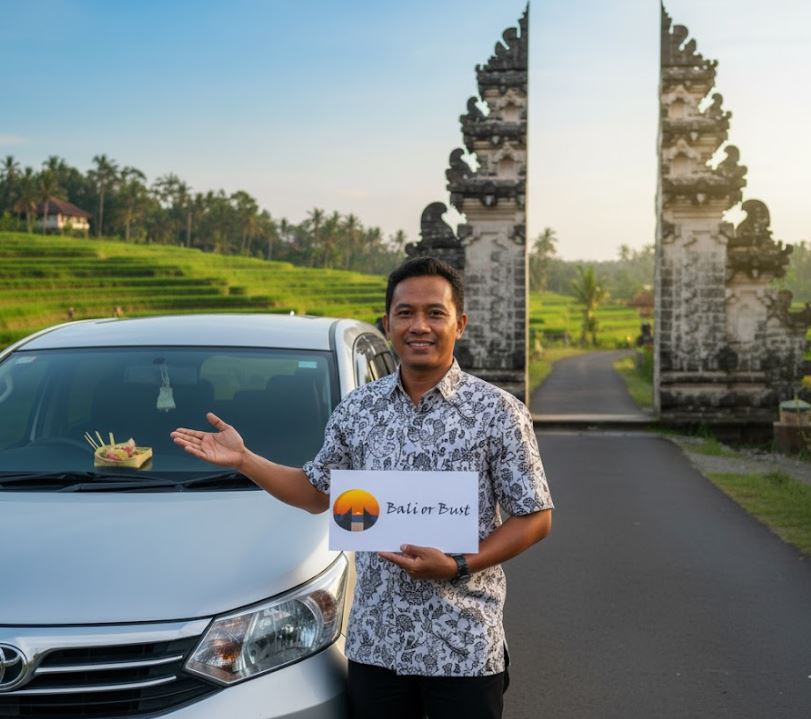
The journey to Amed is a beautiful drive, but for the discerning traveler, it requires careful logistics focused on comfort and safety. Amed is located on the far eastern coast, approximately 2.5 to 3 hours from Denpasar Airport (DPS) or the southern hubs of Seminyak and Canggu. We highly recommend booking a vetted private transfer or day driver in advance. This is the safest, most comfortable, and stress-free way to make the trip, allowing you to relax and enjoy the scenic backdrop of rice paddies, mountains, and coastal views without navigating Bali’s complex traffic. A private transfer ensures a high standard of vehicle and a known, trusted driver.
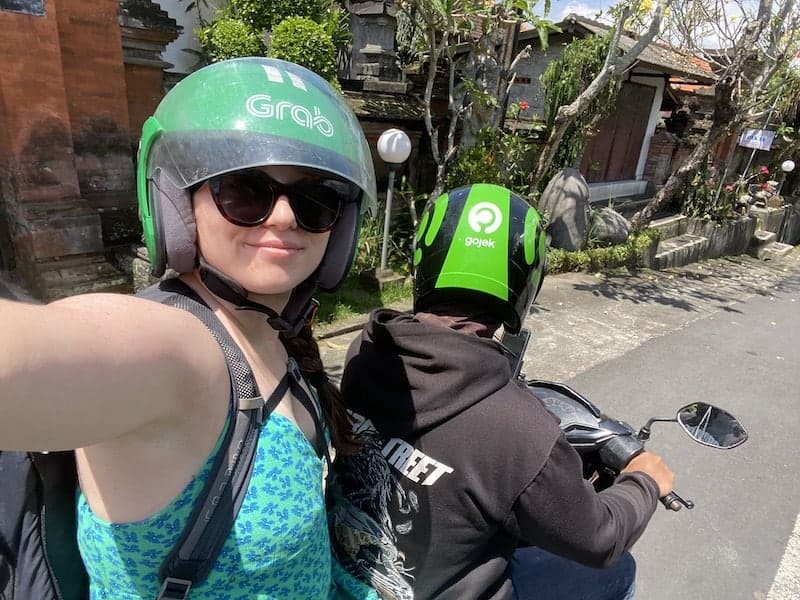
While ride-share apps like Grab or Gojek can get you to Amed, their availability is unreliable for the return journey, making private pre-arrangement essential. Once in Amed, getting around is simple and less congested than other parts of Bali. For short distances, walking is pleasant. For longer trips along the coast or to nearby sights, scooter rental is the most common method (available for about $6–$10 AUD/day). However, we only recommend this for those who are experienced and confident riders who possess the necessary international driving permit. Otherwise, organizing short taxi trips with locals or hiring a driver for a half-day excursion is the secure and preferred choice for our audience.
The Bottom Line
Best Restaurants & Cafés in Amed
Amed’s dining scene perfectly complements its relaxed, value-driven atmosphere, offering a mix of authentic Balinese Warungs and high-quality international establishments, often with stunning ocean or volcano views. For a truly local, cost-effective, and delicious experience, you must visit a family-owned Warung. Warung Osin and Warung Sabar are local favorites known for their incredibly flavorful Indonesian classics and warm hospitality. The fresh seafood is a staple here; look for the “catch of the day” for a truly authentic coastal meal.
For those seeking familiar international cuisine or high-end ambiance, Amed delivers on quality. Trattoria Amed is a highly recommended spot for delicious Italian food, a perfect alternative for a celebratory evening. The Rimba Cafe stands out as a stylish, contemporary café that caters well to Western tastes, offering exceptional smoothie bowls, coffee, and vegan options—ideal for a high-quality breakfast or brunch. Finally, no visit to Amed is complete without experiencing the sunset view from a dedicated spot like Sunset Point or Blue Earth Village. These locations offer a perfect opportunity to enjoy a cocktail or a quality meal while watching the sun descend behind the majestic silhouette of Mount Agung—a signature, unforgettable Amed experience.
Green Mellon Warung
Lovely local spot serving Balinese & Indonisian dished, including plenty of fresh seafood.
Best Time to Visit Amed for Perfect Weather
Planning your trip during the optimal season ensures the best conditions for Amed’s most celebrated activities—diving and snorkeling. The best time to visit Amed is during the dry season, which runs from April to October. During these months, you can expect sunny days, lower humidity, and minimal rainfall. The sea conditions are typically at their best, offering the clearest underwater visibility for exploring the famous USAT Liberty Shipwreck and the rich coral reefs of Jemeluk Bay.
For the ideal balance of weather and avoiding peak crowds, we recommend the shoulder months: May, June, September, and October. During this period, the weather remains excellent, but you will find better deals on luxury villas and mid-range accommodation, and the dive sites will be less populated. The wet season (November to March) still offers plenty of sunshine between the occasional heavy, short-lived rain showers, and the prices are at their lowest. However, visibility for diving can sometimes be slightly reduced, and the mountain views of Mount Agung are more frequently obscured by clouds. Ultimately, for the highest-quality, most tranquil experience, aim for a stay between May and October.
Lorem ipsum dolor sit amet, consectetur adipiscing elit. Ut elit tellus, luctus nec ullamcorper mattis, pulvinar dapibus leo.
Common Questions
What is Amed known for, and is it worth visiting compared to other areas in Bali?
Amed is universally known as East Bali’s premier destination for diving and snorkeling and is a haven for travelers seeking peace and authenticity.
What it is: Amed is not a single town, but a series of eight coastal fishing villages (including Jemeluk, Lipah, and Bunutan) stretched along a quiet, winding coast.
What it is known for: World-class shore diving and the easiest access to the famous USAT Liberty Shipwreck in nearby Tulamben. It also offers the most dramatic, unobstructed views of Mount Agung, Bali’s holiest volcano.
Worth Visiting? Absolutely. If your priority is superior diving, a slow-paced lifestyle, authentic local culture, safety, and escaping the heavy traffic and crowds of South Bali (Canggu, Seminyak), Amed is the perfect choice for a tranquil Bali holiday.
How long should I plan to stay in Amed, Bali?
The ideal duration depends on your travel pace and whether you are a dedicated diver.
Minimum Stay (2-3 days): This is enough time to explore the main Amed villages, complete a day of diving/snorkeling, and catch a sunrise view of Mount Agung.
Recommended Stay (5-7+ days): For the mature traveler seeking genuine relaxation, cultural immersion, and multiple dive trips, a week is ideal. This allows time to comfortably explore nearby attractions like the temples of East Bali and fully embrace the tranquil, slow-paced atmosphere.
How do I get around Amed once I am there, and are ride-sharing apps available?
Amed is less congested than South Bali, making local transit simpler, though traditional ride-sharing apps are not prevalent.
Local Transport: The area’s various villages stretch over a long coastline. For short distances, walking is pleasant.
Scooter Rental: Scooters are the most common way to cover longer distances between villages (e.g., Amed to Jemeluk). This is only recommended for experienced riders who possess an International Driving Permit for insurance purposes.
Hiring a Local Driver: The safest alternative is to hire a local taxi or driver for short trips or half/full-day excursions to sights like the Tirta Gangga Water Palace or Pura Lempuyang (Gates of Heaven).